 Jiangsu Shendian Electric Co., Ltd.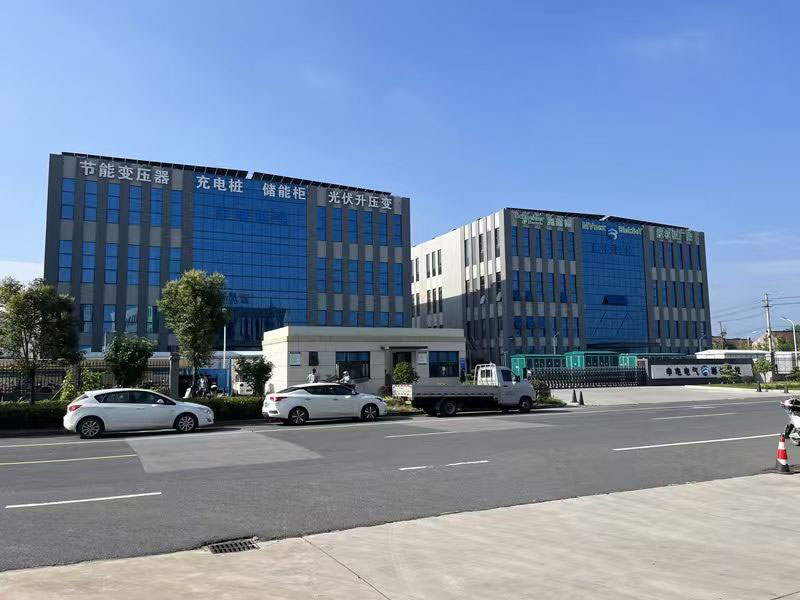
In industrial plants and power distribution systems, the oil-immersed transformer is often the “silent workhorse.” It rarely draws attention—until it goes offline. When that happens, production lines, data centers, and building power supplies can all come to a halt. A typical oil-immersed transformer represents an investment starting in the hundreds of thousands, and an unplanned outage caused by poor maintenance can easily cost far more than the unit itself.
From the view of customers, selection accounts for 70%, maintenance for 30%. The real challenge of maintenance is not what to do, but doing it on schedule with right way with record.
Many operators choose to partner long-term with manufacturers that provide complete factory test reports and supporting manuals. Suppliers such as Jiangsu Shendian Electric Co., Ltd., which specialize in oil-immersed transformers, typically deliver better baselines for post-commissioning care—oil treatment, sealing workmanship, and technical documentation are all in order. Even so, no matter how good the equipment, the day-to-day discipline still sits on the customer side.
What follows is a three-tier maintenance framework—routine, periodic, and special conditions—designed for the customer’s own operation team.
I. Daily Inspection: High Frequency, Low Barrier, Highest Early-Warning Value
Daily checks can be carried out by plant electricians. The core method is see, hear, log—no test instruments required in principle.
- Oil level & color: Check that the conservator oil level matches the ambient-temperature scale. Healthy oil is pale yellow and clear; dark brown or turbid oil signals incipient degradation.
- Oil temperature: Top-oil temperature is generally kept at ≤ 85 °C (natural cooling), winding temperature ≤ 95 °C. During hot summer periods, monitor closely—sustained > 95 °C calls for load reduction or shutdown inspection.
- Operating sound: A steady, uniform “hum” is normal. “Crackling” discharge sounds or “booming” noises usually point to partial discharge, loose core clamping, or overload—investigate immediately.
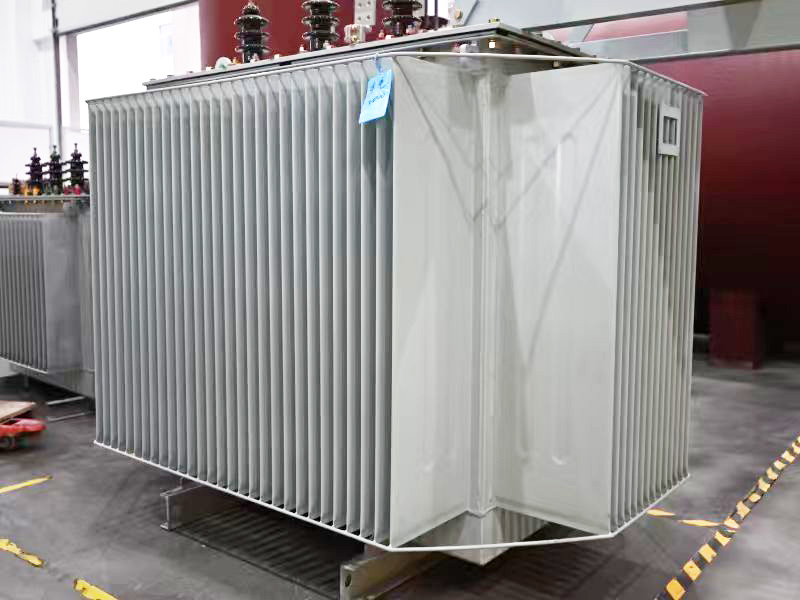
- Oil leakage: Inspect tank welds, flanges, valves, and bushing roots section by section. Act before any oil actually drips onto the floor.
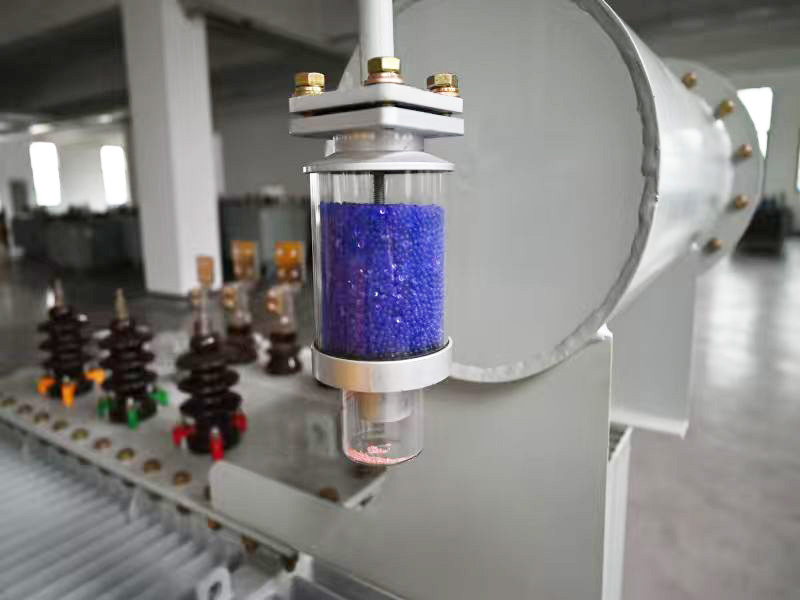
- Silica gel in breather: Blue = dry; pink = saturated. Replace when > 2/3 discolored.
- Bushings & grounding: Bushings free of cracks and tracking marks; ground leads secure, non-corroded, no broken strands.
📌 Make temperature, oil level, and abnormal sound mandatory log entries per shift. Review trends month-over-month—trends beat single-point readings for early warning.
II. Monthly & Annual: The “Physical Exam,” Best Handled by Professionals
Above the daily layer, the customer typically coordinates with the manufacturer’s service team or a third-party testing agency on a fixed cycle:
Monthly / Quarterly
- Clean dust from tank, radiator fins, and bushing surfaces.
- For ONAF / OFAF units, check cooling fans and oil pumps (start/stop, rotation direction).
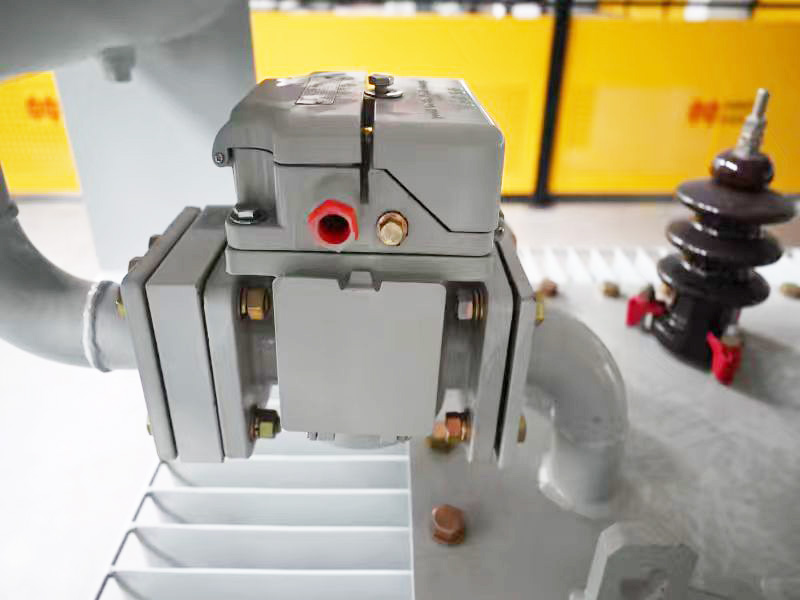
- Check whether gas relay has accumulated air.
Annual Preventive Test (ref. DL/T 596, China industry standard, widely aligned with IEC practice):
- Insulation resistance, winding DC resistance, turns ratio & vector group verification
- Insulating oil BDV + simplified analysis
(reference pass values: BDV ≥ 35 kV, moisture ≤ 30 ppm, acid value ≤ 0.1 mg KOH/g) - Dielectric loss tanδ, gas-relay setpoint check
Every 3–5 Years
- Filter or replace oil based on oil-chemistry results.
- Verify the core is single-point grounded (multi-point grounding causes circulating-current heating).
- Replace aged seals as a batch.
When interfacing with manufacturers such as Jiangsu Shendian Electric Co., Ltd., customers normally receive a maintenance checklist and threshold table broken down by cycle at the handover stage. Dropping those into the plant’s own log template saves a lot of “benchmarking the standard” work in year one—which is why clarifying the maintenance scope during the selection phasepays off later.
III. Special Conditions Easily Overlooked
Not all checks run on a calendar. Add ad-hoc inspections after these events:
- After extended overloading→ re-check whether oil temp and level return to steady state.
- After thunderstorms, ice/snow, high winds→ focus on bushing flashover marks, structural deformation.
- After a short-circuit fault on a neighboring circuit→ even if this unit didn’t trip, re-measure winding DC resistance; consider a Frequency Response Analysis (FRA) screening.
- First 72 hours after commissioning or major overhaul→ intensified patrols, focus on gas relay and oil-temperature rise curve.
Where budget allows, arrange annual DGA (dissolved gas analysis). An acetylene (C₂H₂) content ≥ 5 µL/L is typically an early internal-discharge signal—catching it before a trip pays for the test many times over.
IV. Safety Baseline: Never Sacrificed to “Schedule Pressure”
- Always de-energize, verify zero voltage, and install grounding leads before maintenance.
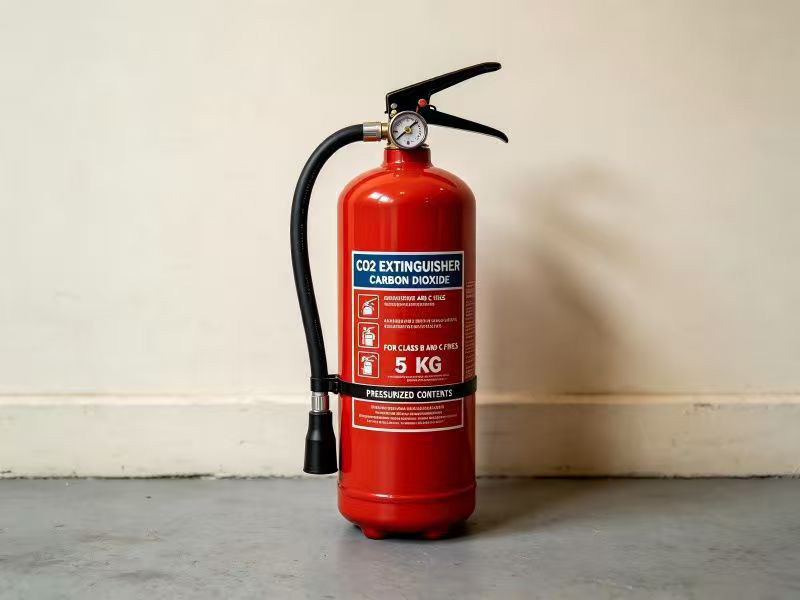
- Open flame prohibited in the transformer area. Fire extinguishers should be dry powder or CO₂—never water or foam.
- Make-up oil must be the same brand / grade and lab-approved. Mixing different grades is a classic mistake.
Seen from the customer’s chair, in the life-cycle cost of an oil-immersed transformer, “purchase” is only a small slice—“use and care” is the long tail. The unit itself sets the reliability floor; the maintenance system sets the ceiling. Aligning early with a manufacturer such as Jiangsu Shendian Electric Co., Ltd. on factory documentation, service interface, and spare-part specs—then pinning the inspection and test rhythm above into the plant calendar—makes reliable 20 to 30-year continuous operation fully achievable.
WeChat
Scan the QR Code with wechat