 Jiangsu Shendian Electric Co., Ltd.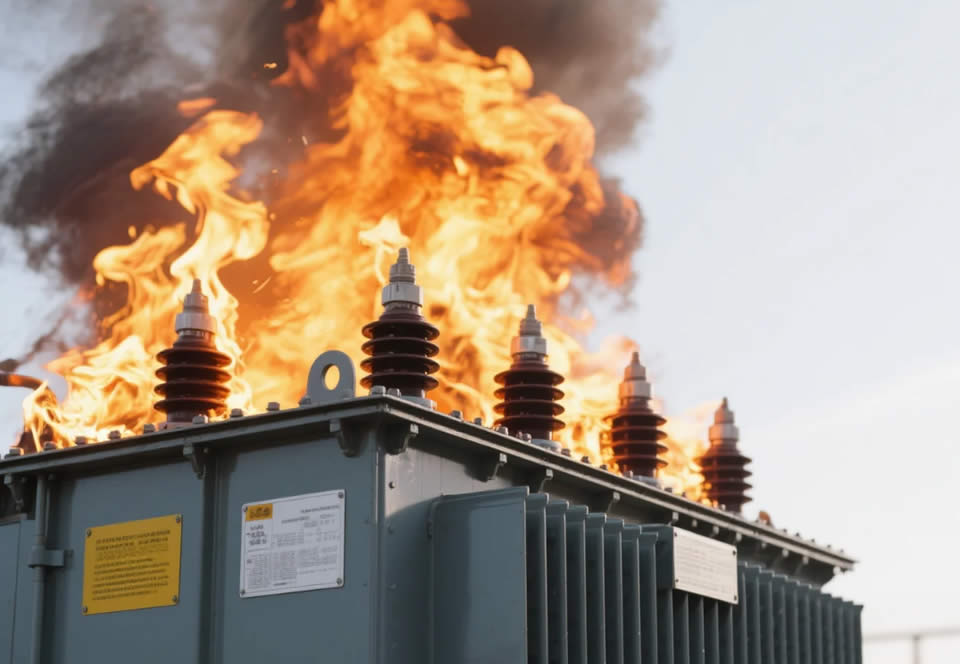
How Fire-Safe Are Dry-Type Transformers
Are Dry-Type Transformers Fire Safe?

Short answer: Dry-type transformers offer significantly improved fire safety compared with oil-immersed transformers because they eliminate the use of flammable insulating oil. However, no electrical equipment should be considered completely fireproof. True fire safety depends on a combination of product design, correct application, proper installation, and regular maintenance.
Why Dry-Type Transformers Are Preferred for Fire-Sensitive Applications
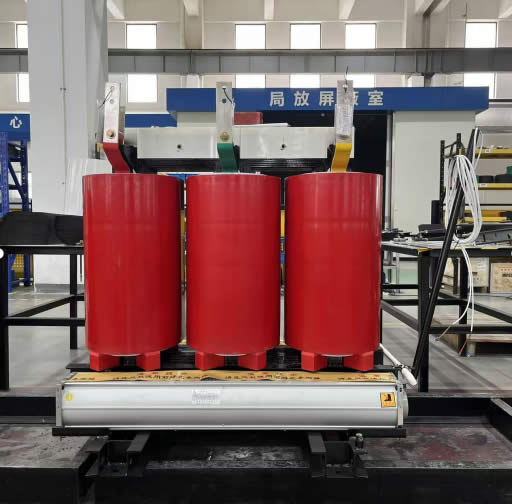
Unlike oil-filled transformers that rely on mineral oil for insulation and cooling, dry-type transformers use solid insulation systems such as epoxy resin cast windings or vacuum pressure impregnated (VPI) insulation. This design eliminates the main fire risk associated with liquid-filled transformers: combustible insulating fluid.
Key advantages include:
- No flammable liquid insulation: Without oil, there is no risk of oil leakage, oil vapor ignition, or explosive gas formation caused by internal faults.
- Excellent flame-retardant performance: Modern epoxy resin insulation systems are designed with strong resistance to ignition and flame propagation. Many products achieve internationally recognized flame-retardant classifications and generate low smoke with no halogen emissions during combustion.
- Suitable for safety-critical installations: Dry-type transformers are widely used in high-rise buildings, underground facilities, commercial complexes, data centers, transportation infrastructure, and other locations where fire protection is a major design consideration.
How Fire-Safe Are Dry-Type Transformers
Important: Dry-Type Does Not Mean Completely Fireproof
Although eliminating oil removes the largest fire hazard, dry-type transformers are not immune to all fire risks.
Solid insulation materials still have thermal limits. For example, Class F insulation is rated for continuous operation up to 155°C, while Class H insulation is rated up to 180°C. Severe electrical faults, such as short circuits, can create extremely high temperatures that may damage insulation materials and affect transformer reliability.
For this reason, international engineering practices do not evaluate transformer fire safety based only on insulation material. Proper protection systems, ventilation design, environmental control, and maintenance procedures are equally important.

Three Key Factors for Maximizing Fire Safety
- Select the right transformer for the application
Dry-type transformers are an excellent choice for indoor installations, high-rise buildings, underground electrical rooms, and facilities with strict fire safety requirements. For outdoor substations with sufficient safety separation, oil-filled transformers may still provide advantages in overload capability and cost efficiency.
- Ensure proper ventilation and environmental protection
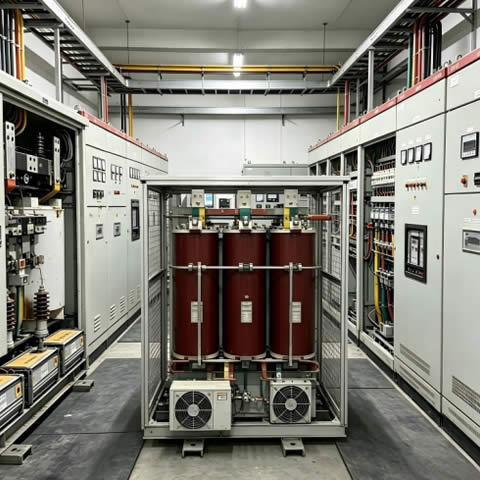
Dry-type transformers depend on air circulation for cooling. Good ventilation is essential to prevent overheating. In dusty, humid, or corrosive environments, enhanced enclosure protection such as IP44 or higher should be considered to protect insulation performance and extend service life.
- Apply proper protection and maintenance practices
Advanced temperature monitoring systems, alarm and trip functions, differential protection, and overcurrent protection help prevent thermal damage. Regular inspections, insulation resistance testing, winding resistance measurements, and partial discharge monitoring are recommended to maintain long-term reliability.
Conclusion
Dry-type transformers provide a safer and more environmentally friendly solution for applications where fire risk, indoor installation, and operational reliability are critical considerations. When combined with proper engineering design, protection systems, and maintenance practices, they deliver excellent safety performance throughout their service life.
WeChat
Scan the QR Code with wechat