 Jiangsu Shendian Electric Co., Ltd.
 Market analysis by SHENDIAN Electric
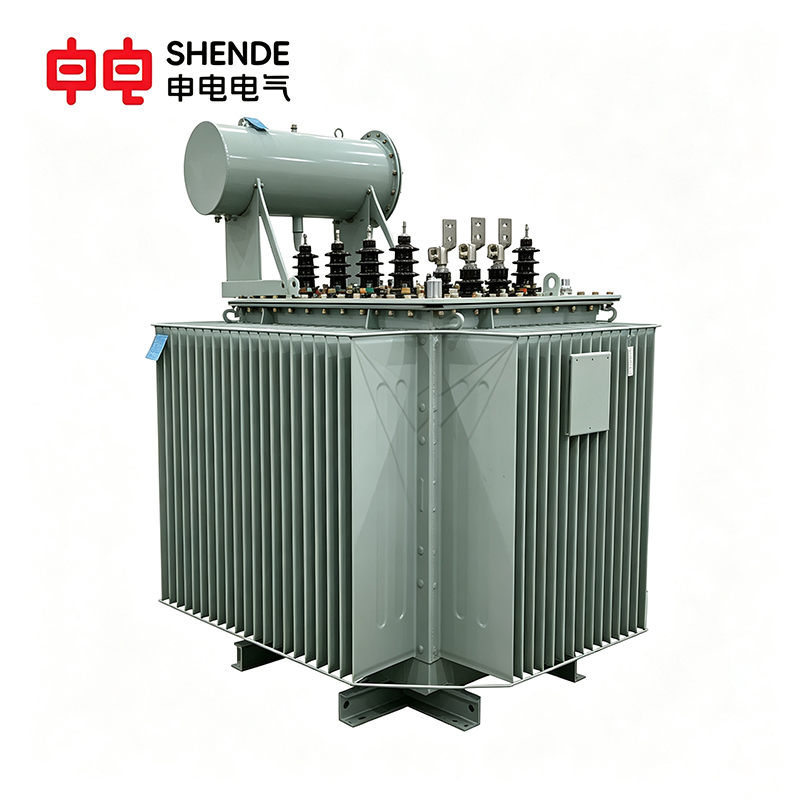
Africa is quietly becoming one of the world’s most dynamic — and most underserved — markets for distribution transformers. While mature economies debate grid modernization, the continent faces a more fundamental challenge: hundreds of millions of people still lack reliable electricity, and the infrastructure needed to close that gap is only beginning to be built.
Demand is expanding on multiple layers at once — driven by universal power-access gaps, large-scale grid upgrades, renewable-energy rollouts, and rapid urban-industrial growth. Growth rates vary sharply by region, but the long-term trajectory is clear, and the headwinds are structural rather than cyclical. This article breaks down the core demand drivers, the regional split, the constraints holding the market back, and where the opportunity is heading next.
What’s Driving the Surge?
1. A Continent Still in the Dark
The most fundamental catalyst is Africa’s chronic electricity-access deficit. More than 600 million Africans lack stable grid power, and sub-Saharan Africa’s average electrification rate sits below 30% — far behind global benchmarks. The African Development Bank has committed USD 25 billion to continental power infrastructure through 2030, with rural electrification programmes that depend heavily on small-to-medium oil-immersed distribution transformers (50 kVA to 1,000 kVA) for last-mile household connections.
Flagship national schemes amplify this demand. Nigeria’s Rural Electrification Agency aims to connect 25 million new households by 2025, requiring tens of thousands of standard Dyn5 distribution transformers for village mini-grids and feeder extensions. Kenya’s Last Mile Connectivity Project alone plans to deploy 85,000 distribution transformers before 2030, reaching 1.2 million rural households.
2. Replacing Aging, Inefficient Grids
In more mature markets, the priority is replacement. South Africa’s utility Eskom reports that nearly 18% of its installed transformers have exceeded their 40-year design life, driving chronic load shedding and technical losses above 15%. Its USD 62.8 billion distribution-investment plan through 2027 prioritizes low-loss, copper-wound transformers to cut waste and stabilize urban supply.
Egypt faces the same strain: outdated networks lose 22% of generated power. A national grid-modernization programme will install thousands of new transformers to support the New Administrative Capital and Suez industrial zones, targeting 20 GW of integrated renewable capacity by 2030.
3. The Renewable Energy Boom
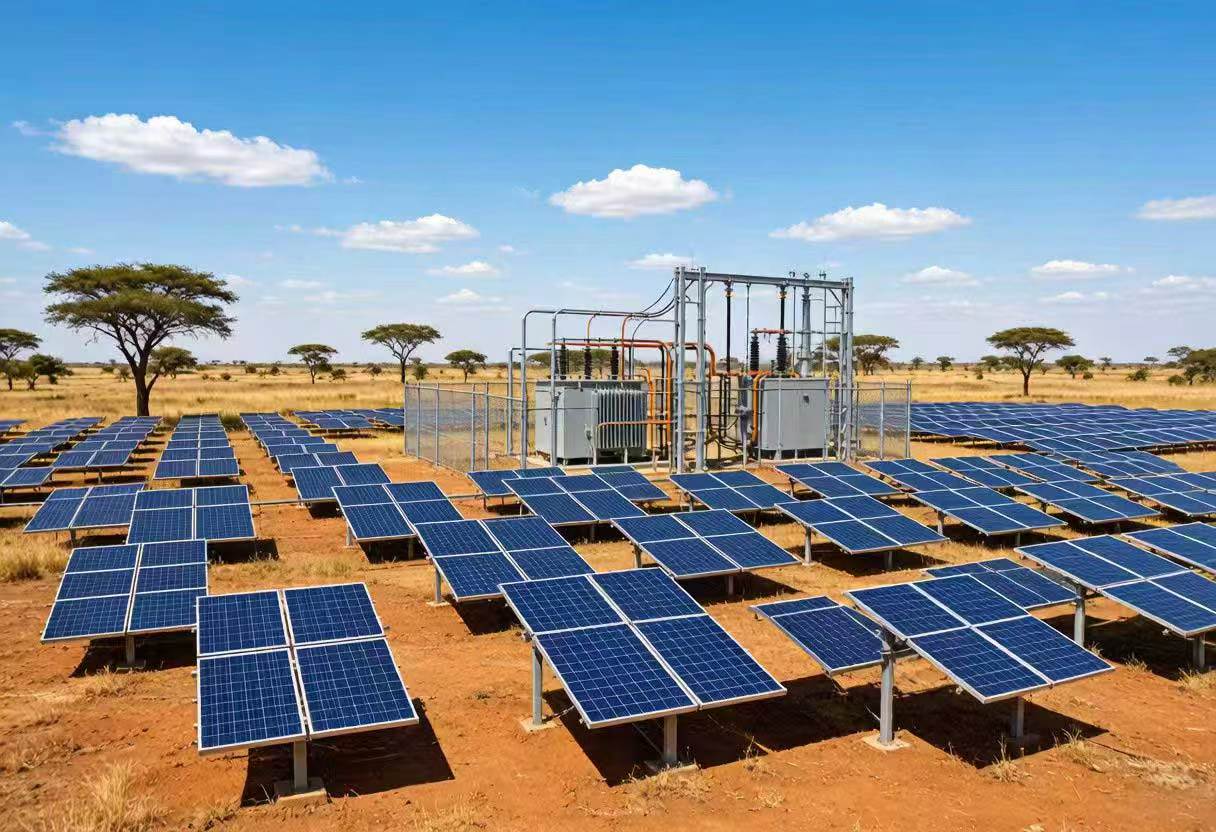
Africa’s fast-growing renewable sector creates specialized transformer demand. Solar mini-grids dominate off-grid electrification, with 10 GW of new photovoltaic capacity scheduled across the continent in 2026 alone. Solar-hybrid systems need distribution transformers with enhanced voltage regulation to handle intermittent output — spurring demand for compact, rugged pad-mounted units built for harsh rural conditions. Cross-border interconnection projects such as the East African Power Pool also deploy transformers to standardize voltage across national grids, adding steady bulk orders.
4. Urbanization and Industrialization
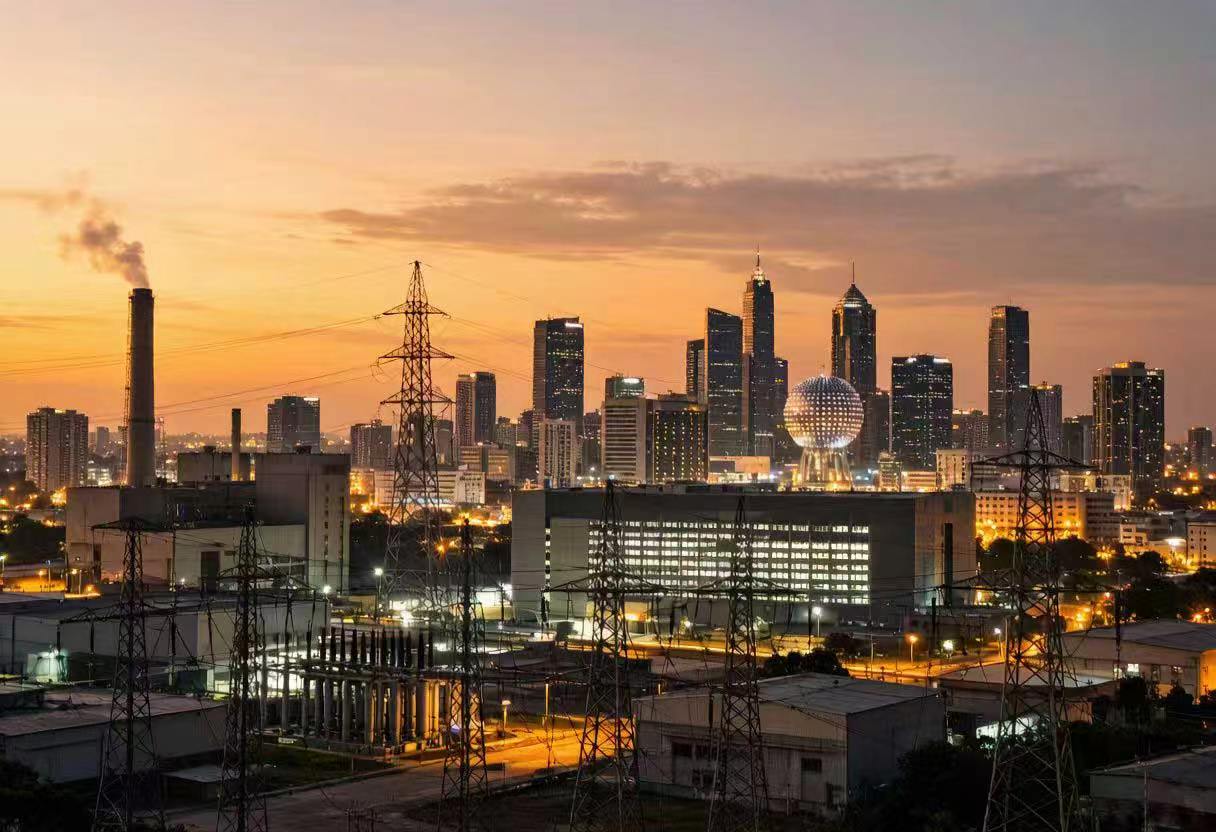
Africa has the world’s fastest urban population growth. Megacities like Lagos, Cairo, and Johannesburg are expanding residential districts, malls, data centres, and manufacturing parks — each new industrial zone requires large-capacity transformers (630 kVA to 2,500 kVA) for machinery and commercial loads. Mining operations across Ghana, Zambia, and the DRC further boost demand for heavy-duty units engineered to withstand dust, heat, and humidity.
A Three-Speed Market
Demand growth is highly uneven, splitting into three distinct tiers:
Southern Africa (led by South Africa) holds the largest share — roughly 40% of continental volume — with steady 6–7% annual growth from grid replacement and industrial maintenance.
Egypt and North Africa form the second-fastest zone, at a 5.3% CAGR, powered by state-backed megaprojects and renewable-integration targets.
Sub-Saharan West and East Africa are the highest-potential emerging markets, with double-digit annual rises in import volumes. China’s transformer exports to Africa surged 249.61% year-on-year in early 2026, largely serving West and East African tenders for cost-effective, IEC-standard oil-immersed units such as 630 kVA copper-copper sealed transformers. Remote landlocked nations grow slower, constrained by smaller budgets and weak logistics.
What’s Holding It Back
Despite powerful structural demand, three barriers cap faster expansion:
Fiscal volatility. Oil-dependent economies delay grid capex when crude prices slump, stretching transformer service life and deferring replacements. Currency depreciation against the dollar also inflates import costs.
Insufficient local manufacturing. Africa’s annual production covers less than 60% of demand, forcing over 90% import reliance in most sub-Saharan countries. Even with South Africa, Egypt, and Nigeria producing 70% of regional output, lead times for standard units still run 12–36 months.
Harsh operating conditions. Ambient temperatures above 40°C, dust, and corrosive coastal air require ruggedized transformers with elevated temperature-rise ratings (60°C oil / 65°C winding per IEC 60076), raising costs and limiting uptake of cheap refurbished units.
The Road Ahead
Market forecasts project Africa’s distribution-transformer segment will hold a 2.7–7% CAGR through 2031, with total value rising from USD 5.38 billion in 2025 to USD 6.38 billion by 2031. Volume growth will be led by small single-phase and medium three-phase units for rural electrification, while high-efficiency, solar-compatible sealed transformers (such as 630 kVA hermetically sealed Dyn5 models) capture a growing premium share.
Localized manufacturing investments will gradually ease shortages as international OEMs build assembly plants to qualify for local-content incentives. Meanwhile, the smart-grid transition will add incremental demand for sensor-equipped digital transformers that support predictive maintenance and loss reduction.
Conclusion
Africa’s distribution-transformer demand growth is fundamentally structural — anchored by unmet electrification needs, aging-grid replacement cycles, and clean-energy expansion. Fiscal volatility, supply-chain bottlenecks, and environmental design challenges will temper short-term acceleration, but the continent retains unmatched long-term potential, with sub-Saharan rural electrification the single largest source of incremental orders over the next decade.
For utilities and EPCs sourcing reliable, efficient units, SHENDIAN Electric’s distribution transformers use high-quality components and copper windings to deliver high efficiency and low energy consumption — built to perform in the demanding conditions African networks require.
WeChat
Scan the QR Code with wechat