 Jiangsu Shendian Electric Co., Ltd.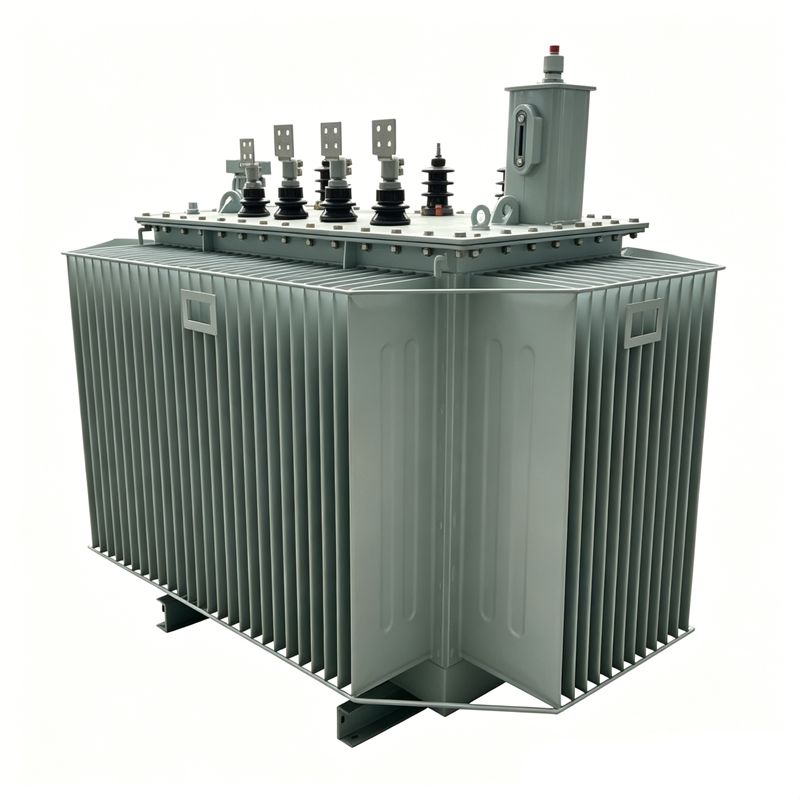
How to Select the Right Distribution Transformer for Industrial Manufacturing Facilities
Industrial manufacturing facilities depend on a stable and efficient power supply. A well-chosen Distribution Transformer plays a critical role in delivering the right voltage, supporting equipment performance, reducing energy losses, and maintaining operational reliability. Selecting the wrong transformer can lead to power quality issues, overheating, production downtime, and higher operating costs.
As manufacturing plants become more automated and energy-intensive, transformer selection requires more than simply matching voltage ratings. Engineers and facility managers must evaluate load profiles, harmonic distortion, environmental conditions, future expansion plans, efficiency standards, and maintenance requirements.
This guide explains how to select the right Distribution Transformer for industrial manufacturing facilities and highlights the key technical and business factors that influence purchasing decisions.
Understanding the Role of a Distribution Transformer in Manufacturing Facilities
A Distribution Transformer converts medium-voltage electricity from the utility grid into lower voltages suitable for industrial equipment and plant operations. It serves as the final voltage transformation stage before power reaches machinery, production lines, motors, lighting systems, and control equipment.
In a manufacturing environment, the transformer must support:
- Continuous production operations
- Heavy motor loads
- Variable frequency drives (VFDs)
- Automation systems
- Industrial HVAC equipment
- Lighting and auxiliary systems
- Future production expansion
Because industrial facilities often operate around the clock, transformer reliability directly affects productivity and profitability.
Why Proper Distribution Transformer Selection Matters
Many companies focus heavily on production equipment but overlook the importance of electrical infrastructure. However, transformer performance influences the entire facility.
A properly sized transformer can:
- Reduce energy losses
- Improve voltage stability
- Minimize downtime
- Support future growth
- Lower maintenance costs
- Extend equipment life
On the other hand, undersized transformers may overheat during peak demand, while oversized units often result in unnecessary capital expenses and lower efficiency under light loads.
Therefore, selecting the correct Distribution Transformer requires a detailed understanding of the facility’s operating conditions.
Analyze Load Profiles Before Choosing a Distribution Transformer
Load profile analysis is one of the most important steps in transformer selection.
Different manufacturing plants consume electricity in different ways. A metal fabrication facility may experience frequent motor starts and heavy mechanical loads. Meanwhile, an electronics factory may rely heavily on sensitive automation equipment.
Engineers should evaluate:
Peak Load Demand
Peak load refers to the highest amount of power consumed during operation.
Selecting a transformer based solely on average demand can create serious problems during production surges.
For example:
- Average load: 700 kVA
- Peak load: 950 kVA
A transformer sized only for the average load may experience thermal stress during peak periods.
Continuous Load
Many manufacturing facilities operate continuously.
Transformers supplying 24/7 production lines must handle sustained loading without excessive temperature rise.
Continuous load calculations help determine the appropriate transformer capacity and cooling requirements.
Cyclic Load Variations
Some factories experience fluctuating loads throughout the day.
Examples include:
- Plastic injection molding plants
- Steel processing facilities
- Food processing plants
- Textile manufacturing lines
Understanding these load patterns helps optimize transformer sizing and efficiency.
Determine the Required Voltage Levels
Voltage requirements vary significantly among industrial facilities.
Before selecting a Distribution Transformer, verify:
- Utility supply voltage
- Required secondary voltage
- Equipment-specific voltage requirements
Common industrial primary voltages include:
- 11 kV
- 13.8 kV
- 22 kV
- 33 kV
Common secondary voltages include:
- 400V
- 415V
- 480V
- 600V
Incorrect voltage selection can create equipment compatibility issues and increase operating risks.
Therefore, electrical system design should always align transformer ratings with plant requirements.
Calculate Transformer Capacity Correctly
Transformer capacity is typically measured in kVA.
A proper capacity calculation considers:
- Connected load
- Demand factor
- Diversity factor
- Future expansion
- Harmonic effects
A common mistake involves selecting transformers based solely on currently installed equipment.
Industrial facilities often expand production within a few years. Choosing a transformer that allows reasonable growth can prevent costly infrastructure upgrades later.
For many facilities, engineers recommend maintaining 15% to 30% spare capacity for future expansion.
Consider Motor Loads and Starting Currents
Manufacturing plants rely heavily on electric motors.
Large motors draw significantly higher current during startup than during normal operation.
Examples include:
- Compressors
- Pumps
- Conveyors
- Crushers
- Fans
- Mixers
Motor starting current may reach six to eight times the rated current.
If transformer capacity does not account for these conditions, voltage drops can occur during startup.
Excessive voltage dips may cause:
- Equipment malfunction
- Control system errors
- Production interruptions
- Reduced motor life
Therefore, motor load analysis should be part of every Distribution Transformer selection project.
Evaluate Harmonic Distortion in Modern Manufacturing Facilities
Industrial facilities increasingly use:
- Variable frequency drives
- UPS systems
- Robotics
- Automation equipment
- CNC machinery
- Industrial computers
These devices generate harmonics.
Harmonics distort electrical waveforms and create additional heating inside transformers.
Without proper consideration, harmonics may cause:
- Overheating
- Reduced transformer lifespan
- Excessive energy losses
- Power quality problems
Understanding K-Factor Ratings
Transformers operating in harmonic-rich environments often require K-factor ratings.
Common ratings include:
- K-4
- K-13
- K-20
A K-rated Distribution Transformer can safely handle harmonic currents without excessive temperature rise.
Manufacturing facilities using extensive automation systems should evaluate harmonic levels during transformer selection.
Choose Between Oil-Immersed and Dry-Type Distribution Transformers
One of the most important decisions involves selecting the transformer type.
Oil-Immersed Distribution Transformers
Oil-filled transformers use insulating oil for cooling and electrical insulation.
Advantages include:
- Higher efficiency
- Better overload capability
- Lower operating temperature
- Longer service life
- Lower initial cost per kVA
Common applications include:
- Outdoor substations
- Heavy industrial plants
- Mining facilities
- Large manufacturing complexes
Dry-Type Distribution Transformers
Dry-type transformers use air or resin insulation.
Advantages include:
- Reduced fire risk
- Easier indoor installation
- Lower environmental concerns
- Minimal oil maintenance
Common applications include:
- Electronics manufacturing
- Pharmaceutical facilities
- Commercial buildings
- Indoor industrial environments
The choice depends on facility layout, safety requirements, environmental regulations, and maintenance preferences.
Consider Transformer Efficiency and Energy Losses
Transformer losses continue throughout the equipment’s operating life.
Two primary loss categories include:
No-Load Losses
No-load losses occur whenever the transformer remains energized.
These losses depend mainly on core design and magnetic materials.
Load Losses
Load losses increase as transformer loading rises.
These losses originate from:
- Winding resistance
- Stray losses
- Eddy currents
Although a high-efficiency transformer may cost more initially, the energy savings often outweigh the purchase price difference over time.
For facilities operating continuously, efficiency improvements can generate substantial cost savings over the transformer’s lifecycle.
Understand Environmental Conditions
Environmental factors significantly influence transformer performance.
Before purchasing a Distribution Transformer, evaluate:
Ambient Temperature
High temperatures reduce cooling efficiency.
Facilities located in:
- Desert regions
- Steel mills
- Foundries
- Glass manufacturing plants
often require enhanced cooling systems.
Dust and Contamination
Dust accumulation can reduce cooling effectiveness and increase maintenance requirements.
Industries with significant airborne particles include:
- Cement production
- Mining
- Wood processing
- Metal fabrication
Humidity and Corrosion
High humidity can affect insulation systems.
Coastal facilities and chemical plants may require corrosion-resistant components and protective coatings.
Environmental analysis helps ensure long-term reliability.
Plan for Future Expansion
Industrial facilities rarely remain static.
Production demand often increases over time.
When selecting a Distribution Transformer, consider:
- New production lines
- Additional automation systems
- Facility expansion
- New machinery installations
- Renewable energy integration
Future growth planning reduces the need for costly transformer replacements.
A slightly larger transformer may provide a better long-term investment than repeatedly upgrading infrastructure.
Evaluate Short-Circuit Strength and Mechanical Durability
Manufacturing facilities often experience electrical disturbances.
Transformers must withstand:
- Short circuits
- Fault currents
- Switching surges
- Voltage fluctuations
Mechanical durability becomes especially important in:
- Mining operations
- Heavy manufacturing plants
- Steel mills
- Industrial processing facilities
Robust transformer construction improves reliability during demanding operating conditions.
Power Quality Requirements in Sensitive Manufacturing Processes
Many industries depend on highly stable electrical power.
Examples include:
- Semiconductor manufacturing
- Electronics assembly
- Pharmaceutical production
- Precision machining
Poor power quality can result in:
- Product defects
- Equipment shutdowns
- Data loss
- Process instability
Selecting the right Distribution Transformer helps maintain voltage stability and improve power quality throughout the facility.
Consider Monitoring and Smart Transformer Technologies
Modern transformers increasingly incorporate digital monitoring systems.
These technologies provide real-time information about:
- Load levels
- Oil temperature
- Winding temperature
- Power quality
- Insulation health
Benefits include:
- Predictive maintenance
- Early fault detection
- Reduced downtime
- Improved asset management
Smart monitoring solutions allow facility managers to optimize transformer performance and avoid unexpected failures.
Maintenance Requirements and Lifecycle Costs
Purchase price represents only one portion of ownership cost.
Lifecycle costs include:
- Energy losses
- Maintenance expenses
- Downtime risks
- Repair costs
- Replacement costs
A lower-cost transformer may generate higher operating expenses over time.
Evaluating total ownership cost helps organizations make better long-term decisions.
For industrial facilities operating continuously, lifecycle cost analysis often reveals substantial differences between transformer options.
Compliance with Industry Standards
Industrial buyers should verify compliance with recognized standards.
Common standards include:
IEC Standards
Widely used in international markets.
Examples:
- IEC 60076
- IEC 60296
ANSI and IEEE Standards
Common in North America.
Examples:
- ANSI C57 Series
- IEEE Transformer Standards
Compliance ensures safety, reliability, and compatibility with regional regulations.
Selecting a Reliable Distribution Transformer Manufacturer
The supplier plays a critical role in project success.
When evaluating manufacturers, consider:
Engineering Expertise
Strong engineering support helps optimize transformer design for specific applications.
Manufacturing Capabilities
Advanced production facilities often deliver better consistency and quality control.
Testing Facilities
Reputable manufacturers perform:
- Routine testing
- Type testing
- Temperature rise testing
- Short-circuit testing
Certifications
Look for certifications such as:
- ISO 9001
- ISO 14001
- ISO 45001
After-Sales Support
Reliable technical support reduces operational risk and improves long-term performance.
Common Mistakes to Avoid When Selecting a Distribution Transformer
Several mistakes frequently occur during procurement projects.
Choosing Based Only on Price
The lowest purchase price rarely delivers the lowest lifecycle cost.
Ignoring Harmonic Loads
Modern manufacturing facilities often contain substantial harmonic-producing equipment.
Underestimating Future Growth
Insufficient capacity can lead to expensive upgrades.
Overlooking Environmental Conditions
Dust, heat, and humidity significantly affect transformer performance.
Neglecting Maintenance Planning
Maintenance requirements should influence transformer selection from the beginning.
Avoiding these mistakes improves reliability and maximizes investment value.
Conclusion
Choosing the right Distribution Transformer for an industrial manufacturing facility requires a comprehensive evaluation of electrical, operational, environmental, and financial factors. Load profiles, voltage requirements, harmonic distortion, motor starting currents, efficiency targets, and future expansion plans all influence transformer performance.
A carefully selected transformer supports stable production, improves power quality, reduces operating costs, and provides long-term reliability. Whether the project involves a new manufacturing plant, a facility expansion, or a power system upgrade, investing time in proper transformer selection delivers significant benefits throughout the equipment’s service life.
Partnering with an experienced Distribution Transformer manufacturer can further improve project outcomes by ensuring the transformer design matches the specific demands of the industrial environment.
WeChat
Scan the QR Code with wechat